










Industrial Application & Structural Characteristics of Synthetic Diamond Functional Tools
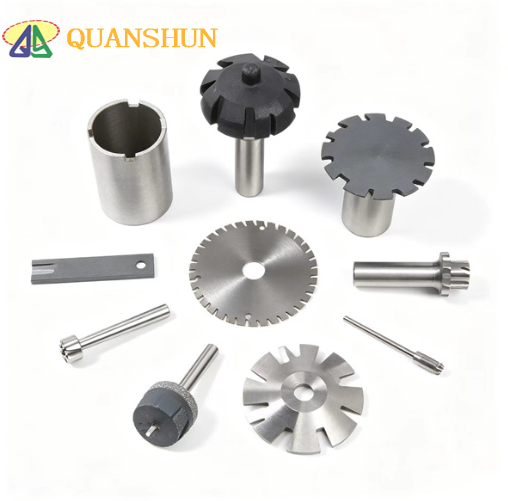
Synthetic diamond tools are functional industrial accessories inlaid with fine diamond grains, taking full advantage of diamond’s extreme hardness and excellent thermal stability. Manufactured through mature HPHT and CVD techniques, artificial diamond materials have replaced natural diamonds for most industrial scenarios. Featuring low production costs and adjustable performance parameters, they become the mainstream choice for high-precision and high-durability machining fields including auto part processing and semiconductor production.
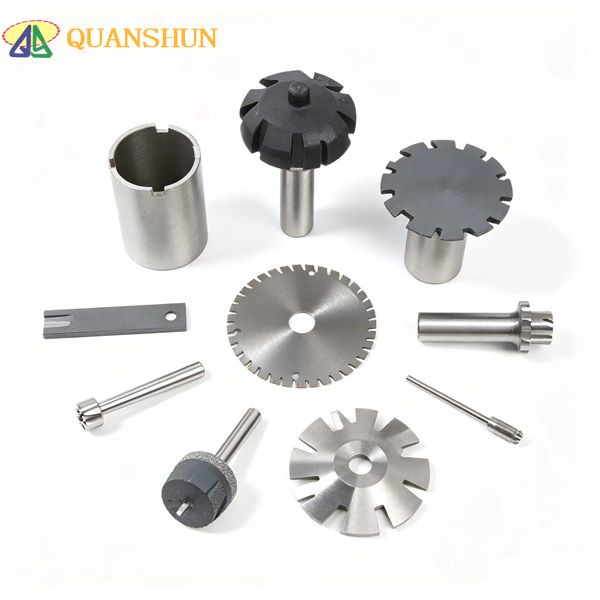
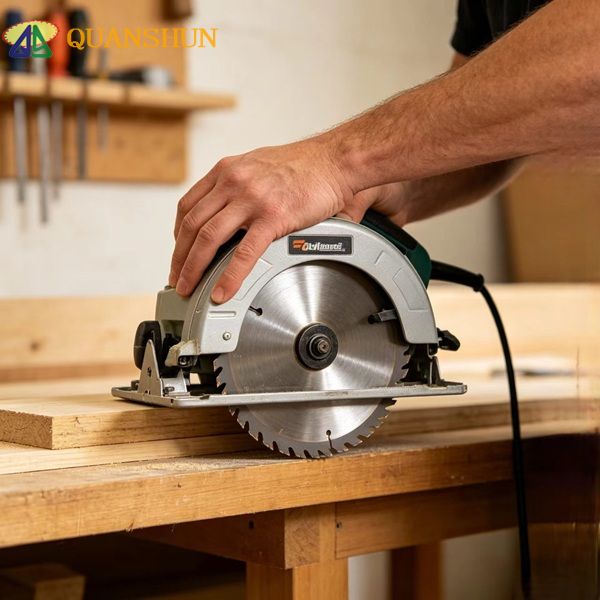
While natural diamond tools are less widely applied, they retain irreplaceable value for ultra-precision processing work such as optical lens polishing. The industrial diamond product system covers two major categories: abrasive cutting tools like diamond saw blades and grinding wheels, and non-abrasive functional parts including wire drawing dies and heat dissipation components. The rapid development of electroplating and powder sintering bonding technologies has further promoted the iterative upgrading of diamond tool performance.
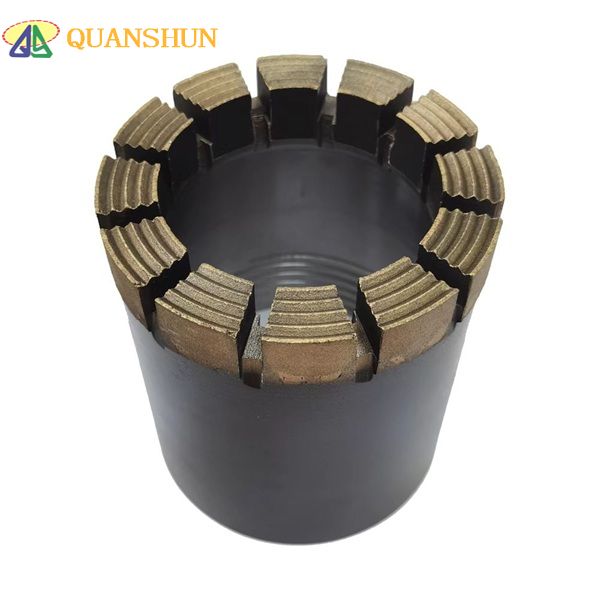
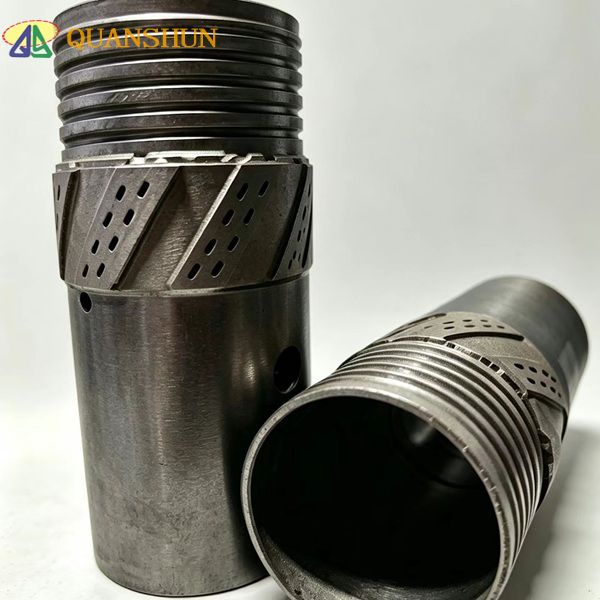
All standard diamond tools adopt a composite structure composed of metal alloy carrier and diamond abrasive grains. Alloy materials such as tungsten carbide and cobalt serve as the tool matrix, providing stable structural support and impact resistance, while exposed diamond grains undertake core cutting and grinding work. For segmented tools, diamond functional segments are firmly welded on the steel substrate, which effectively disperses working pressure and avoids tool damage during high-intensity operation.
These tools own a unique self-sharpening working mechanism. Tiny fragmentation occurs on diamond grains during continuous friction and cutting, which constantly exposes brand-new sharp cutting edges to ensure stable working efficiency and extend service life. Electroplated diamond tools adopt a single-layer diamond plating structure, suitable for precise and fine surface finishing. In contrast, sintered diamond tools embed multi-layer diamond grains inside the metal matrix, with stronger pressure resistance, perfectly adapting to heavy-load rough grinding and mining drilling operations.